
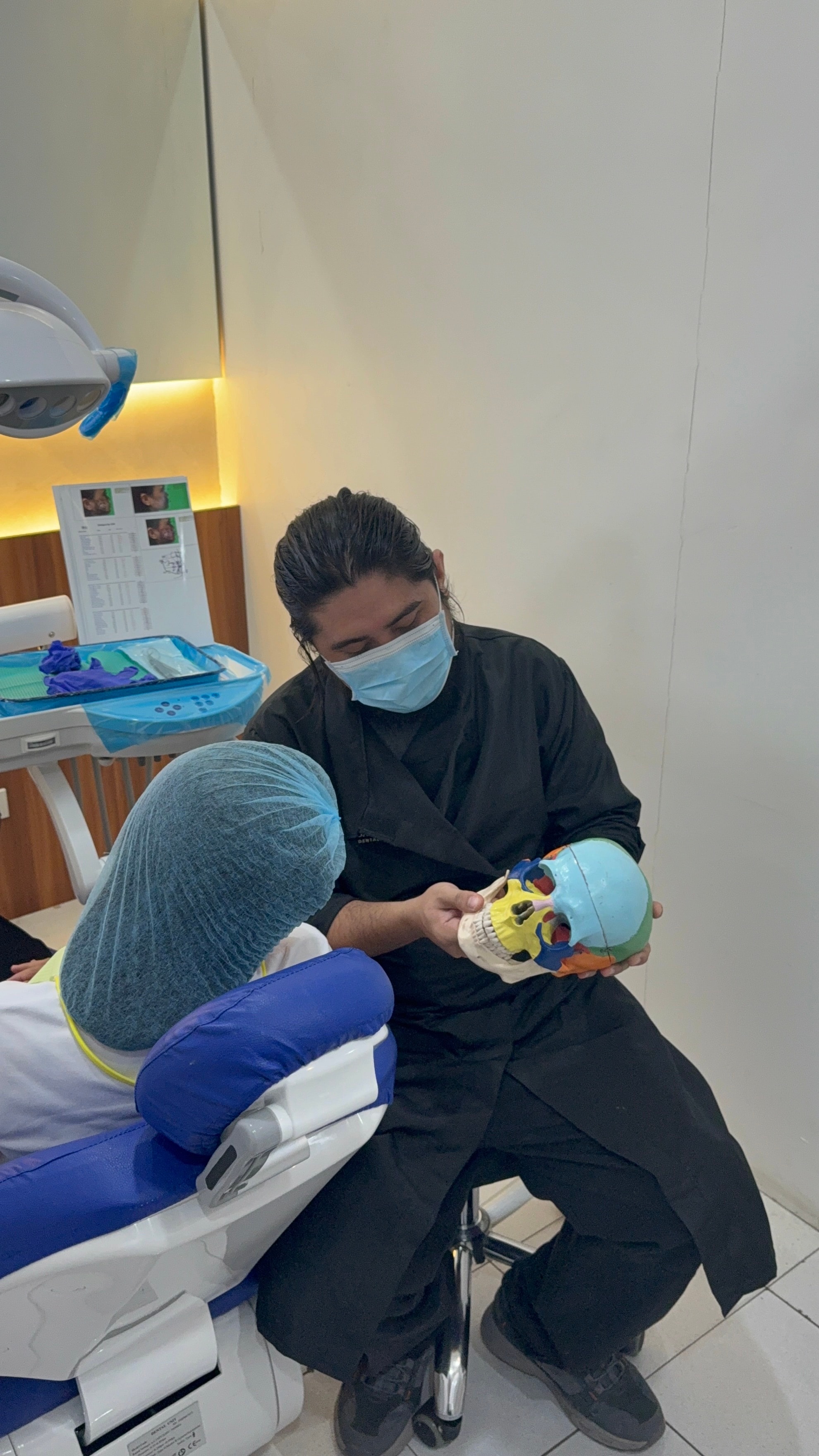
TMJ Disorder in Cebu: Causes, Symptoms, and Effective Treatment Options
Jaw pain, clicking sounds, and headaches may be signs of TMJ disorder. Learn how professional dental care in Cebu can help restore comfort and function.
Introduction: When Jaw Pain Is More Than Just Stress
Do you feel jaw pain when chewing, notice clicking sounds when opening your mouth, or suffer from frequent headaches with no clear cause? Many patients in Cebu City, Mandaue, Lapu-Lapu, Consolacion, and Liloan experience these symptoms daily without realizing they may be signs of TMJ Disorder.
TMJ disorder affects the temporomandibular joint, the joint that connects your jaw to your skull. When this joint is strained or misaligned, it can impact eating, speaking, sleeping, and overall quality of life. At Legacy Smiles Dental Clinic, we often see patients who have lived with jaw pain for years before learning that safe, effective dental treatments are available right here in Cebu.
This article explains what TMJ disorder is, its causes and symptoms, and how professional dental care can help you find long-term relief.
What Is TMJ Disorder?
TMJ disorder (temporomandibular joint disorder) refers to a group of conditions that affect the jaw joint and surrounding muscles. This joint works every time you talk, chew, or yawn, making it one of the most frequently used joints in the body.
When the TMJ is not functioning properly, it can cause pain, stiffness, and restricted jaw movement. TMJ disorder may affect one or both sides of the jaw and can range from mild discomfort to chronic pain.
Common Symptoms of TMJ Disorder
TMJ disorder symptoms vary from person to person. Common signs include:
- Jaw pain or tenderness
- Clicking, popping, or grinding sounds when opening or closing the mouth
- Difficulty or pain while chewing
- Jaw locking or limited mouth opening
- Frequent headaches or migraines
- Facial pain or pressure
- Ear pain, fullness, or ringing
Because these symptoms often resemble ear or sinus problems, TMJ disorder is frequently misdiagnosed or ignored.
What Causes TMJ Disorder?
TMJ disorder usually develops from a combination of factors rather than a single cause.
Teeth Grinding and Clenching (Bruxism)
Stress-related grinding, especially during sleep, places excessive pressure on the jaw joint and muscles.
Bite Misalignment
An uneven bite forces the jaw to compensate, leading to joint strain over time.
Stress and Muscle Tension
Chronic stress can tighten jaw and facial muscles, worsening TMJ symptoms.
Jaw Injury or Trauma
Accidents or sports injuries may damage the joint or surrounding tissues.
Arthritis and Joint Conditions
Inflammatory or degenerative arthritis can affect the TMJ, causing pain and stiffness.
How TMJ Disorder Is Diagnosed by a Dentist
A proper diagnosis is essential for effective treatment. At Legacy Smiles Dental Clinic, TMJ evaluation may include review of your dental and medical history, examination of jaw movement and bite alignment, checking for muscle tenderness and joint sounds, and dental imaging when necessary.
Early diagnosis helps prevent long-term joint damage and chronic pain.
TMJ Disorder Treatment Options in Cebu
Custom TMJ Splints or Night Guards
These appliances reduce clenching, protect teeth, and allow jaw muscles to relax. Custom splints are more effective than over-the-counter guards.
Bite Adjustment and Alignment
Correcting bite issues helps distribute pressure evenly and reduces strain on the jaw joint.
Lifestyle and Stress Management
Jaw exercises, posture correction, and stress reduction techniques support long-term relief.
Comprehensive Dental Care
For advanced cases, a personalized treatment plan may be required to restore proper jaw function.
Having access to in-house dental laboratory support allows faster turnaround and precise appliance fitting, which is especially helpful for busy professionals and OFWs.
Can You Eat Normally With TMJ Disorder?
Yes, but dietary adjustments are often recommended during treatment.
- Soft foods
- Smaller bites
- Balanced chewing on both sides
Foods to limit include hard or chewy foods, sticky snacks, and excessive gum chewing. These changes reduce joint strain and improve comfort while healing.
Is TMJ Disorder Permanent?
TMJ disorder is often manageable and reversible, especially when treated early. Many patients experience significant improvement with proper dental care, reduced pain, better sleep, and improved quality of life.
Delaying treatment, however, can lead to worsening symptoms and more complex dental problems.
When Should You See a Dentist in Cebu?
You should seek professional dental care if jaw pain lasts more than two weeks, clicking or popping worsens, headaches or ear pain persist, or jaw locking occurs. Early intervention is key to preventing long-term complications.
Why Choose Legacy Smiles Dental Clinic for TMJ Care?
- Personalized TMJ assessment and treatment
- Dentist-led care focused on long-term relief
- Modern facilities and patient-centered approach
- Convenient follow-up and continuity of care
Final Thoughts: Take Control of Your Jaw Health
TMJ disorder can quietly affect your daily life, from eating and sleeping to working and socializing. The good news is that effective, non-surgical TMJ treatment is available in Cebu.
If you’re experiencing jaw pain, headaches, or clicking sounds, a professional dental evaluation can help you find answers and relief. Early care leads to better outcomes and a healthier smile.
Disclaimer
This blog is for general informational purposes only and does not replace professional dental advice, diagnosis, or treatment. Every patient’s dental condition is unique and requires proper examination, X-rays, and consultation with a licensed dental professional.